
If you often feel congested, breathe through your mouth, or snore at night, you might be suffering from nasal obstruction. While it’s common to dismiss this as a minor inconvenience or allergy, persistent nasal blockage can significantly affect your quality of life, sleep, and even overall health.
At ENTONE, we believe in empowering patients with knowledge. In this guide, we’ll walk you through what causes nasal obstruction, how it’s diagnosed, and the most effective surgical and minimally invasive treatments available today.
🚨 What Is Nasal Obstruction?
Nasal obstruction refers to blocked or reduced airflow through the nose, making it harder to breathe. It may affect one or both sides and can be intermittent or constant.
🔍 Common Causes of Nasal Obstruction
Deviated Nasal Septum
When the wall (septum) between your nostrils is off-center, it can block airflow.Turbinate Hypertrophy
Enlarged turbinates (tissue structures in the nose) can swell due to allergies or infections.Nasal Valve Collapse
The narrowest part of the nasal passage may weaken or collapse, especially during deep breaths.Nasal Polyps or Growths
Soft, painless growths inside the nasal cavity can block airflow.Allergic Rhinitis or Chronic Inflammation
Long-standing irritation causes mucosal swelling and congestion.
🩺 How Is It Diagnosed?
At ENTONE, our approach includes:
Detailed history & symptom assessment
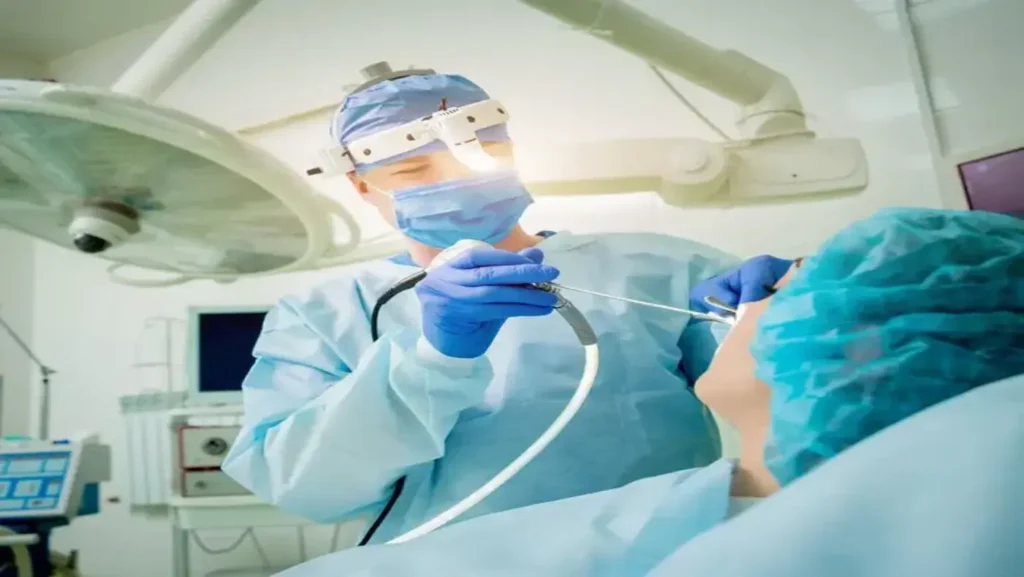
Nasal endoscopy (using a tiny camera to view inside your nose)
CT scan if structural issues or sinus problems are suspected
Allergy testing, if allergies are a factor
⚖️ Treatment Options: Surgery vs. Minimally Invasive
✅ 1. Minimally Invasive Treatments
For many patients, non-surgical options offer effective, fast recovery without general anesthesia:
Turbinate Reduction (Radiofrequency or Microdebrider)
Reduces the size of turbinates with minimal discomfort.Latera Implants
A dissolvable implant placed inside the nose to support collapsing nasal valves.RhinAer Procedure
Targets the posterior nasal nerve to treat chronic rhinitis and congestion.Balloon Sinuplasty
Used if sinus drainage is also a problem — opens sinus passages using a balloon catheter.
These options are typically:
Done under local anesthesia
Outpatient/day-care procedures
Short recovery time (often same-day)
🛠️ 2. Surgical Options
If obstruction is caused by severe structural abnormalities, surgery may be the best path.
Septoplasty
Straightens a deviated septum to improve airflow.Functional Endoscopic Sinus Surgery (FESS)
Removes sinus blockages or growths like polyps.Nasal Valve Reconstruction
Repairs or strengthens weak nasal valves using cartilage grafts or sutures.Combined Surgery
In many cases, procedures like septoplasty + turbinate reduction are done together.
These are usually:
Performed under general anesthesia
Involve 3–5 days of recovery
Offer long-term, often permanent relief
🧪 Which Option Is Right for You?
There’s no one-size-fits-all solution. The right treatment depends on:
The root cause (structural vs. soft tissue vs. nerve-related)
Severity of your symptoms
Your age, general health, and lifestyle
Whether previous treatments have worked
At ENTONE, our specialists perform personalized evaluations using advanced diagnostics before recommending any intervention.
🌟 Why Choose ENTONE?
✅ Advanced ENT diagnostics & technology
✅ Expertise in both traditional and modern ENT procedures
✅ Compassionate, patient-first approach
✅ Skilled in minimally invasive techniques for faster recovery
📞 Book Your Consultation Today
Don’t let nasal obstruction control your breathing, sleep, or quality of life.
Schedule a visit at ENTONE in Bhubaneswar and get personalized care from our expert ENT team.